-
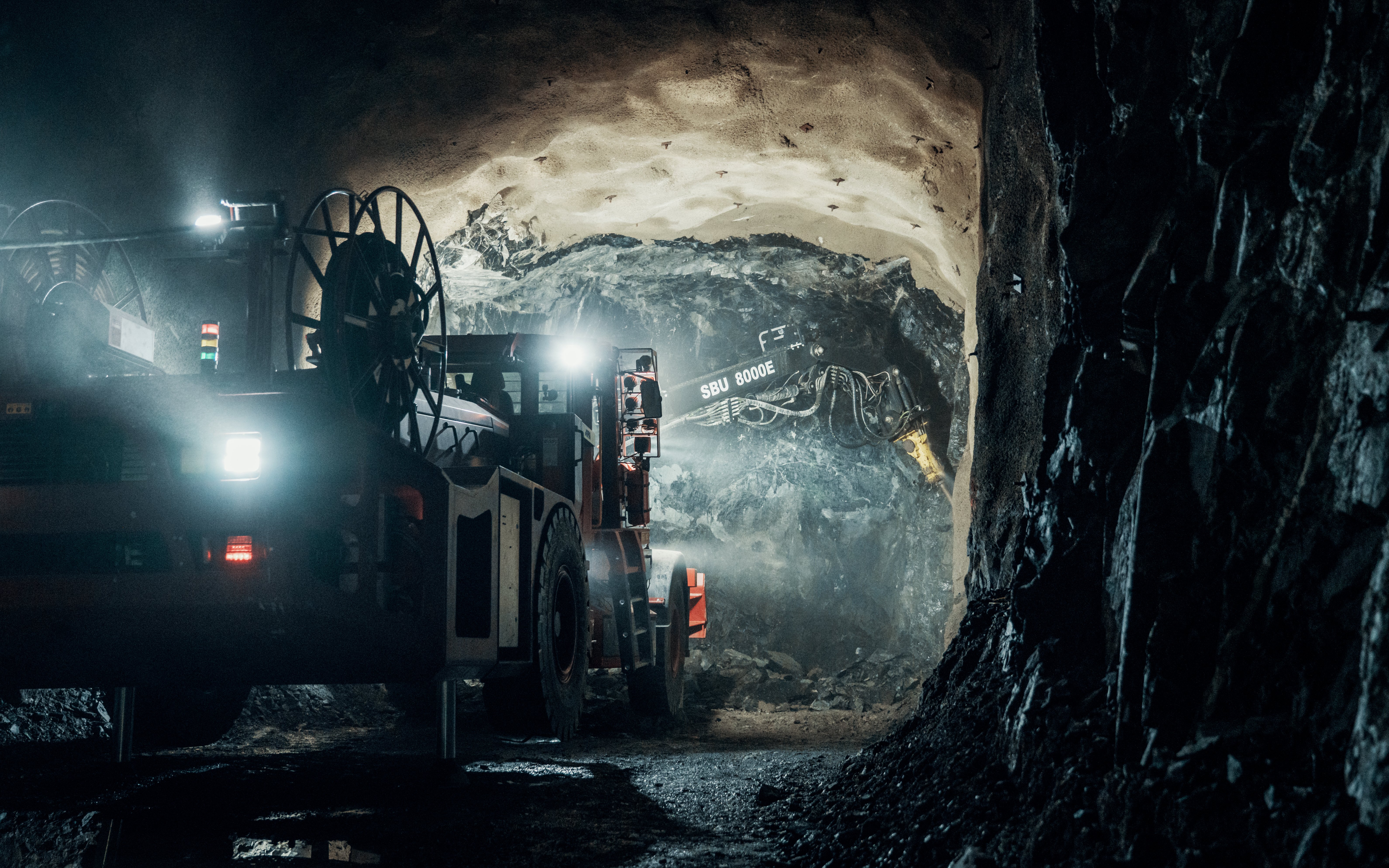
Case Boliden: AI vision automates hazard detection
Boliden partnered with Norrin to build a modular, operator-trusted AI vision system that automates hazard detection and eliminates dangerous manual tasks.
-
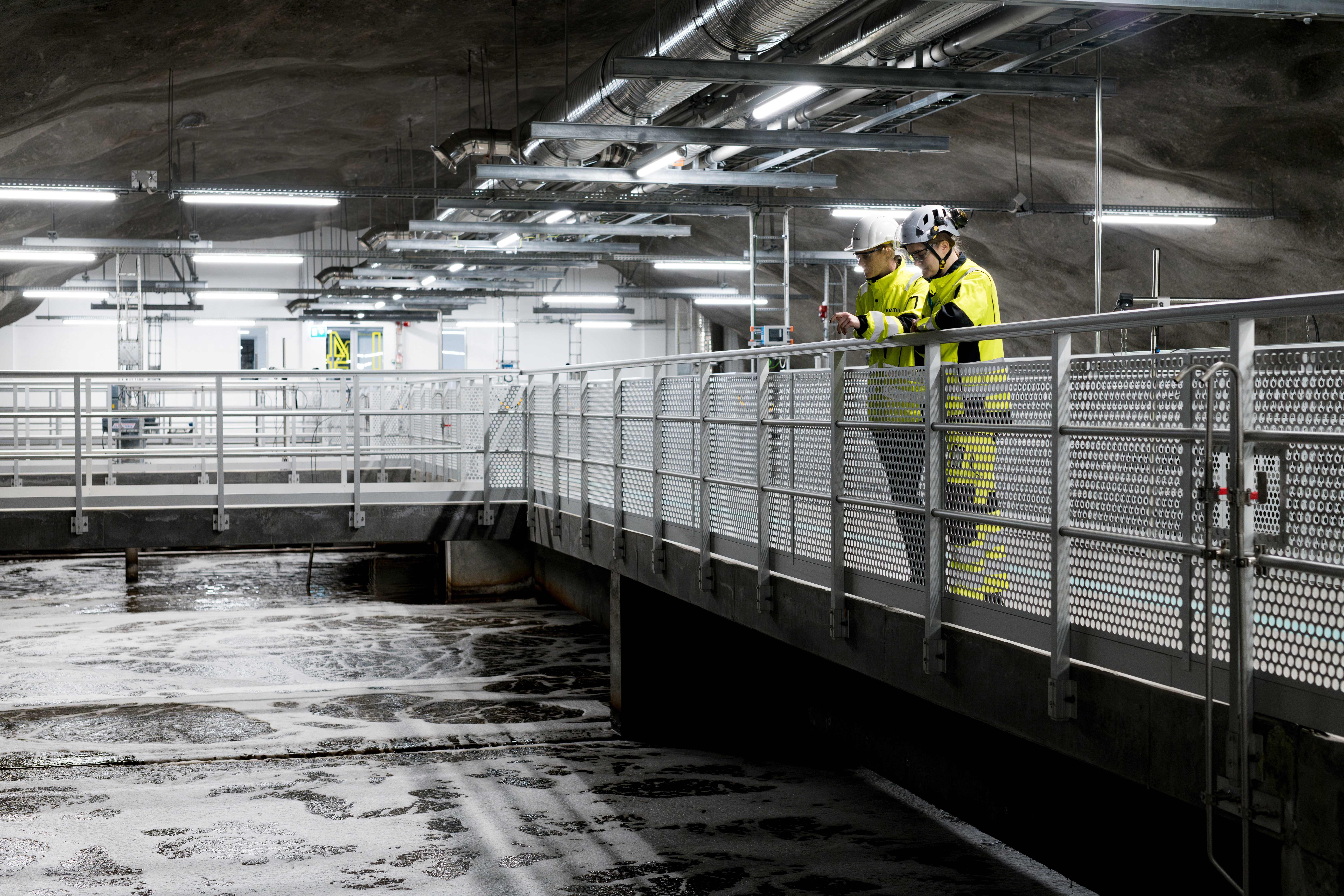
Case Kemira: Production-ready industrial AI services improves process performance
Together with Norrin Kemira transforms complex process and operational data into production-ready AI services that support daily decision-making, improve process performance, and scale reliably across Kemira’s global operations.
-
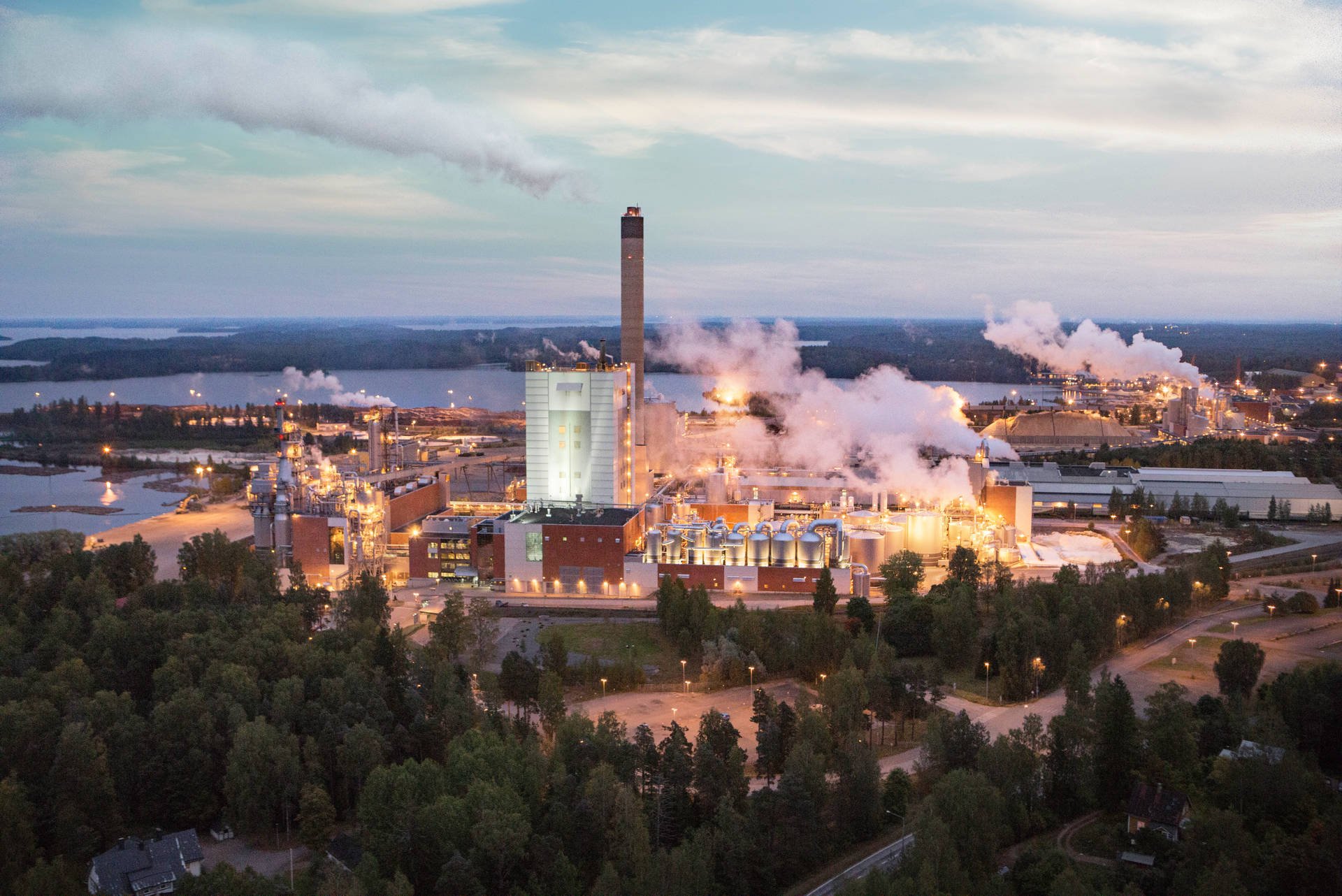
Case Metsä Group: End-to-end analytics solution provides reporting on energy production
Metsä Group partnered with Norrin to develop an automated business intelligence Power BI solution for managing energy production across its power plants and other facilities.
-
Webinar Webinar: Industrial AI for business leadership
We walk through what industrial AI looks like when it works, with real use cases spanning machine vision, predictive process optimization, language models, and AI agents.
Boliden shares how they built an object identification model their operations teams actually use.
-

Case From 30+ fragmented ERPs to an AI-ready data platform across five continents
A global manufacturing company partnered with Norrin to build and continuously develop a unified data platform on Microsoft Fabric.
-
Case Automating sheet pile measurement with AI vision
A Finnish construction company partnered with Norrin to build an AI vision system that automatically measures sheet piles on active construction sites.
-
Case A governed product data foundation ready for automation
A global manufacturing company in the energy sector partnered with Norrin to establish data governance and build data products that drive data-driven processes across its strategic product lifecycle management (PLM) initiative.
-
Case A scalable Azure Integration Platform while keeping business-critical BizTalk integrations running
A multinational manufacturing company partnered with Norrin to implement a phased modernization approach that allowed both platforms to coexist.
.png?width=3735&height=3735&name=Emil%20Sievinen%20neli%C3%B6%20(2).png)

.jpg?width=2000&height=2000&name=Nurminen_Kari%20(2).jpg)